
Updated on:12/23/2025 05:44 PM 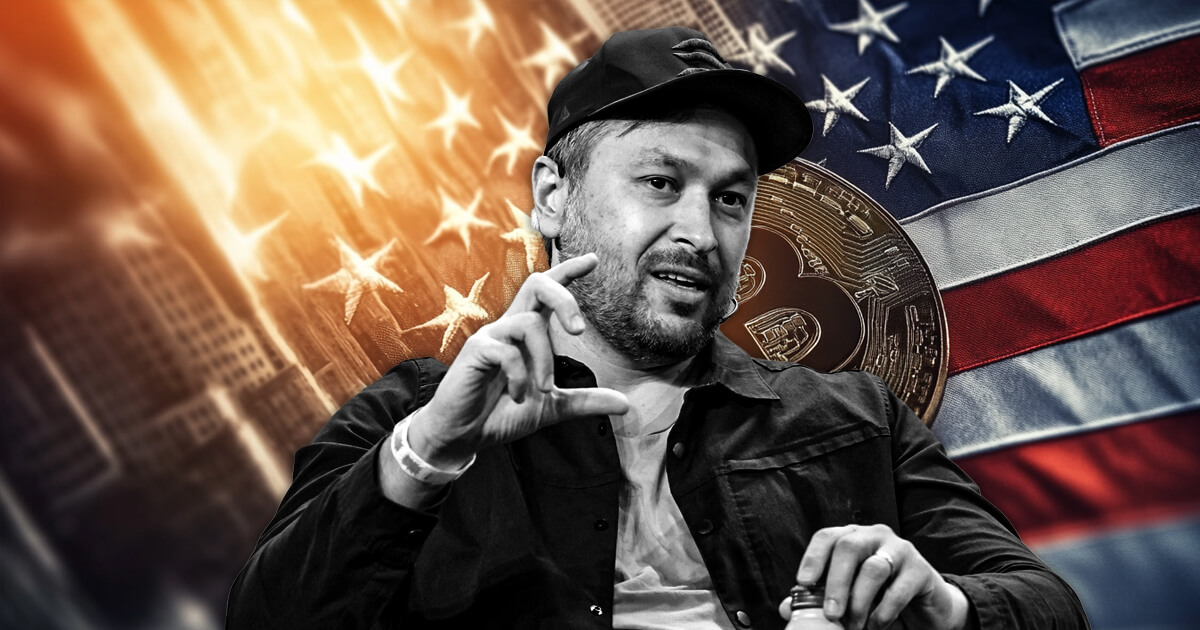
Solana co-founder Anatoly Yakovenko has firmly rejected allegations suggesting the network's representatives engaged in lobbying efforts to secure a position in the proposed United States government cryptocurrency reserve fund.
These claims emerged following media reports that Ripple had actively promoted Solana's inclusion as a means to enhance its own market positioning and credibility. Yakovenko has categorically dismissed these assertions, emphasizing that Solana has never formally petitioned for inclusion in any government-backed digital asset initiative.
In a response to crypto journalist Laura Shin on social media, Yakovenko clarified:
He highlighted Solana's inherently decentralized structure, which renders the concept of official representatives fundamentally incompatible with the network's design. Yakovenko drew parallels to suggesting Bitcoin might require an official spokesperson, noting the inherent contradiction in such propositions.
The current discourse was triggered by former President Donald Trump's March 2nd revelation regarding the establishment of a strategic digital asset reserve as part of broader initiatives to incorporate cryptocurrency into America's financial framework.
This announcement triggered significant market reactions, with Bitcoin reclaiming the $94,000 threshold while Ether experienced a substantial 19% price increase. The proposal has simultaneously reignited ongoing discussions regarding governmental participation in cryptocurrency markets and whether state-managed holdings would compromise the fundamental principles of decentralization.
Beyond refuting the lobbying allegations, Yakovenko expressed strong opposition to the very concept of a government-controlled cryptocurrency reserve. He cautioned that such an approach could severely undermine the decentralized nature of cryptocurrencies, suggesting that governmental oversight of digital assets would represent the most rapid path to eroding their core tenets.
Yakovenko articulated his preference for the complete absence of such a reserve. However, acknowledging its potential inevitability, he proposed an alternative model where individual U.S. states could independently manage their cryptocurrency holdings. This approach, he suggested, would foster economic competition among states and serve as a safeguard against potential mismanagement by the Federal Reserve.
He further indicated that he held no strong positions regarding the specific criteria for inclusion—emphasizing only that such standards must be transparent and logically defensible. Yakovenko expressed confidence that the Solana ecosystem could meet any reasonable benchmarks if they were clearly established and communicated.
Yakovenko represents one voice among many in the cryptocurrency sector expressing skepticism toward Trump's proposed reserve initiative. Lee Bratcher, president of the Texas Blockchain Council, argued that any U.S. cryptocurrency reserve should exclusively contain Bitcoin, citing its status as the most established and decentralized digital asset currently available.
Coinbase CEO Brian Armstrong also voiced reservations about the proposal to incorporate multiple cryptocurrencies into the reserve. He advocated for a Bitcoin-only approach, characterizing it as the "simplest" solution and positioning it as a "clear successor to gold" in the financial landscape.
Despite these reservations, Trump's proposal has generated considerable enthusiasm within cryptocurrency investment communities, particularly as it indicates a potential shift in Washington's historical stance toward digital assets. While some market participants view the reserve as a significant step toward mainstream cryptocurrency adoption, others—including Yakovenko—perceive it as a direct threat to the industry's foundational ethos of decentralization.
As Trump's cryptocurrency policies continue to develop in the lead-up to the 2024 presidential election, the discourse surrounding governmental involvement in digital assets is expected to intensify. Key stakeholders across the industry—including prominent leaders, policymakers, and investors—will carefully evaluate the potential implications of a national cryptocurrency reserve on the future trajectory of digital currencies.
