
Updated on:12/21/2025 04:31 PM 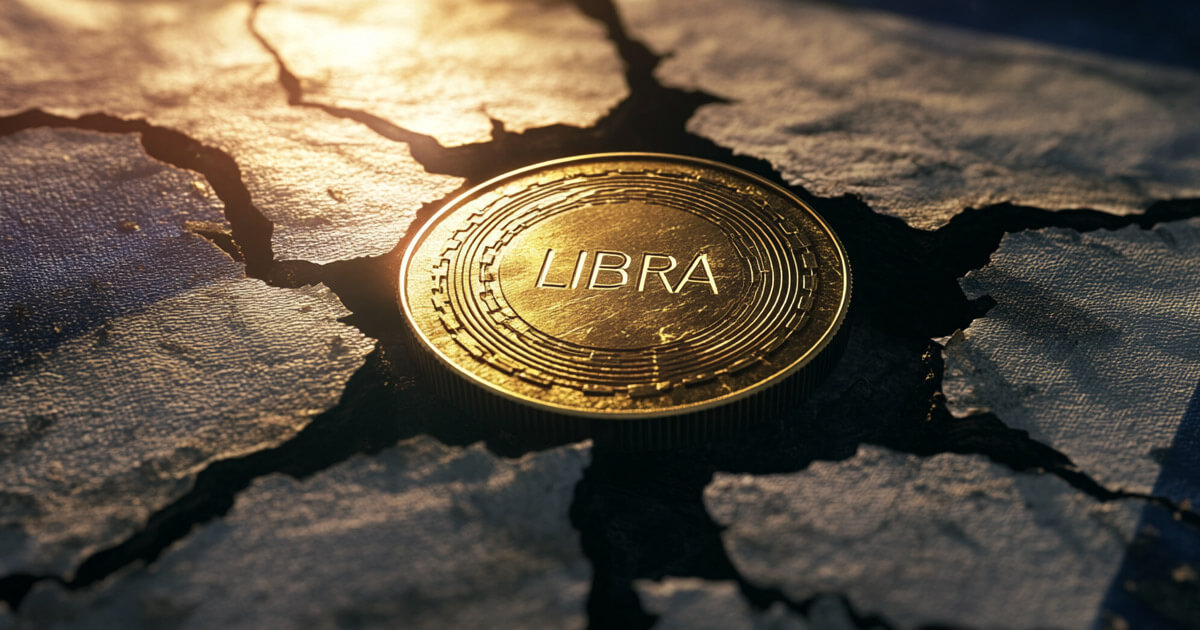
The dramatic implosion of the Solana-based LIBRA memecoin has sent shockwaves throughout the cryptocurrency industry, triggering legal investigations, political controversies, and leadership shakeups. Once valued at an impressive $4.5 billion market capitalization, the token experienced a catastrophic 95% value decline over a single weekend, leaving countless retail investors facing substantial financial losses and intensifying scrutiny on potential insider trading within the volatile memecoin sector.
This comprehensive analysis examines the far-reaching consequences of LIBRA's collapse, from political fallout in Argentina to executive resignations at prominent crypto platforms, while exploring what this means for the future of meme-based digital assets.
Argentina's political landscape has become unexpectedly entangled with the cryptocurrency world following the LIBRA token's spectacular failure. President Javier Milei finds himself at the center of a growing controversy surrounding his perceived endorsement of the now-collapsed digital asset.
Despite Milei's claims that he merely shared information about LIBRA as a potential economic tool, his public statements significantly boosted investor interest in the project before its eventual unraveling. The president explained that he was initially introduced to LIBRA as a solution to help Argentine entrepreneurs access capital within the nation's substantial informal economy.
Critics, however, argue that the president's involvement amounted to tacit approval of highly speculative financial activities, potentially misleading ordinary citizens. This backlash has resulted in formal legal challenges and even impeachment proceedings against Milei, who has since acknowledged the need to reconsider his approach to publicly discussing cryptocurrency projects.
Investigative reporting has uncovered evidence suggesting that the LIBRA development team, operating through Kelsier Ventures, had explored launching a separate memecoin in collaboration with high-ranking Nigerian government officials.
Internal communications indicate that discussions were underway to release a Solana-based token with direct connections to Nigerian political circles. While no concrete evidence links Nigerian President Bola Tinubu personally to these plans, sources familiar with the matter claim that several of his close associates were actively involved in the proposed initiative.
According to one insider with knowledge of the discussions, the Nigeria project had progressed significantly before being abruptly halted. Should these allegations be verified, they could severely damage public trust in any cryptocurrency ventures with perceived political affiliations, potentially accelerating regulatory crackdowns on such projects globally.
In a related development that further underscores the ethical challenges facing the cryptocurrency industry, Ben Chow, co-founder of the Solana-based DeFi platform Meteora, has announced his resignation. The decision comes amid intensifying insider trading allegations connected to several high-profile memecoin launches that Meteora had supported.
Meteora had previously facilitated the launch of multiple controversial tokens, including those associated with former U.S. President Donald Trump, raising significant questions about the platform's vetting process and its handling of early investor access and liquidity provisions.
On February 18th, Meow, the co-founder of both Meteora and Jupiter exchange, confirmed Chow's departure, citing leadership missteps while simultaneously maintaining that neither company had engaged in any financial misconduct. In a statement, Meow emphasized:
"We are committed to maintaining the highest standards of integrity and transparency in all our operations."
Chow, in his own statement, clarified that while his technical team had been aware of the LIBRA token's development weeks before its public launch, their involvement had been strictly limited to providing IT support, including verifying the project's technical legitimacy and offering advisory opinions on liquidity management strategies.
The LIBRA token's spectacular failure has ignited an industry-wide debate about the long-term viability and ethical implications of memecoin speculation. Prominent cryptocurrency trader DFarmer has suggested that such crashes were inevitable, pointing to recurring cycles of rampant speculation, rapid token launches with inadequate due diligence, and apparent market manipulation as factors destined to lead to market corrections.
Conversely, JAN3 CEO Samson Mow maintains that memecoin speculation represents an enduring aspect of cryptocurrency culture that will persist regardless of individual project failures. This perspective acknowledges the deep-seated human attraction to high-risk, high-reward investment opportunities that digital assets have enabled.
Base blockchain developer Jesse Pollak has echoed these concerns, suggesting that the same problematic projects will inevitably re-emerge under different branding unless the industry's long-term builders actively advocate for meaningful structural changes. The LIBRA collapse has highlighted critical gaps in regulatory oversight, ethical standards, and investor protection mechanisms that the cryptocurrency community must address to foster sustainable growth.
As the full consequences of this memecoin collapse continue to unfold, industry participants, regulators, and policymakers face increasing pressure to establish clearer guidelines for digital asset launches and to develop more robust frameworks for protecting retail investors from potentially exploitative market practices.
