
Updated on:12/19/2025 04:46 PM 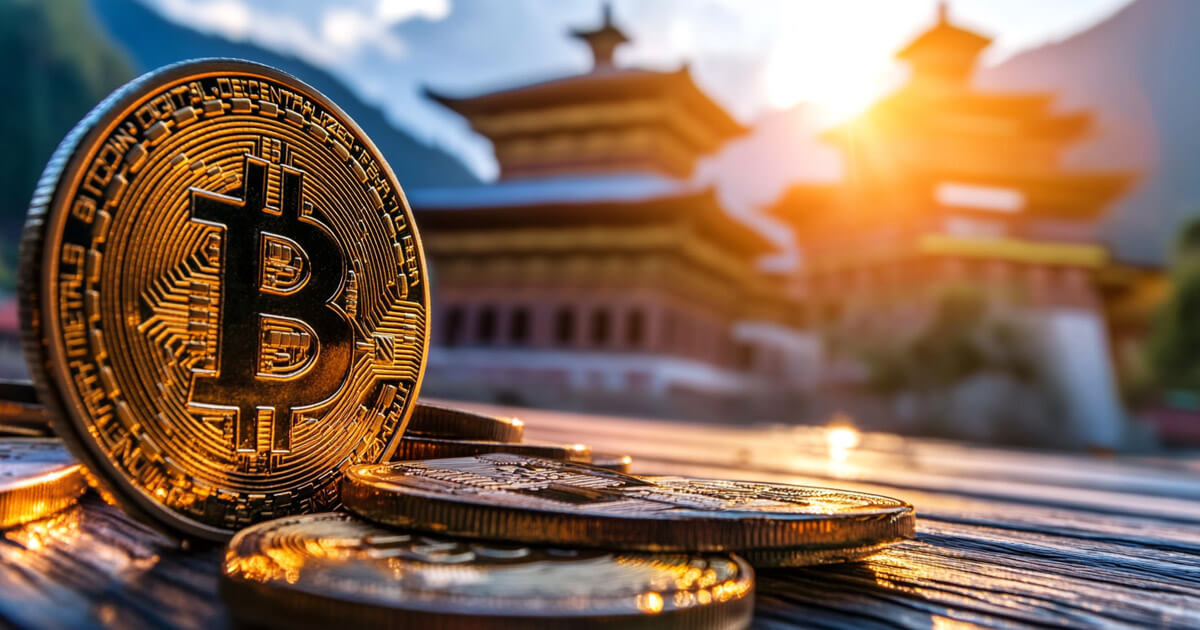
The small Himalayan nation of Bhutan has quietly established itself as a formidable player in the cryptocurrency landscape, accumulating Bitcoin reserves valued at over $1 billion. According to recent data from blockchain intelligence firm Arkham Intelligence, Bhutan's government-owned Druk Holdings has strategically amassed more than 12,500 BTC, demonstrating a forward-thinking approach to digital asset management.
While Bhutan's entry into cryptocurrency investments isn't recent, the kingdom's emergence as one of the world's significant Bitcoin holders has garnered renewed attention following the recent political developments in the United States. The potential creation of a US Bitcoin reserve under the new administration has sparked global conversations about sovereign wealth and digital currency adoption.
Crypto advocates have long anticipated the possibility of a US-led Bitcoin reserve initiative, especially given the pro-crypto stance of certain political leaders. Legislative efforts have already begun to establish such a strategic stockpile for the United States, with officials expressing commitment to preserving existing Bitcoin holdings.
Through years of strategic Bitcoin mining operations, Bhutan has positioned itself at the forefront of this international dialogue, not as a pioneer but as a compelling case study for how smaller economies might successfully integrate digital assets into their financial strategies.
The substantial growth of Bhutan's cryptocurrency portfolio illustrates an innovative approach to wealth preservation that could serve as a blueprint for similar nations seeking alternatives to traditional reserve management.
The potential establishment of a US Bitcoin reserve could trigger significant shifts in global financial policies, potentially inspiring other countries to reconsider their positions on digital currencies as strategic assets. This evolving landscape has intensified speculation about which nations might follow Bhutan's lead in formally adopting Bitcoin as part of their national reserves.
Industry leaders have joined the conversation, with Dennis Porter, CEO of the Satoshi Act Fund, recently challenging observers to identify the next country to embrace Bitcoin as a reserve asset, suggesting insider knowledge of impending developments.
Financial experts have highlighted several well-positioned sovereign wealth funds that could realistically adopt Bitcoin, including those from the UAE, China, and Norway. These nations possess both the financial capacity and the institutional framework necessary to implement such a transition.
Unconfirmed reports of substantial Bitcoin acquisitions by unidentified entities have further fueled speculation in the cryptocurrency markets. Persistent rumors suggest that a major Middle Eastern power might be accumulating significant amounts of Bitcoin through discreet channels, though these claims remain unsubstantiated.
If major economies begin treating Bitcoin as a legitimate reserve asset, it could mark a transformative moment in the history of global finance, potentially reshaping monetary policies and investment strategies worldwide.
