
Updated on:11/29/2025 04:58 PM 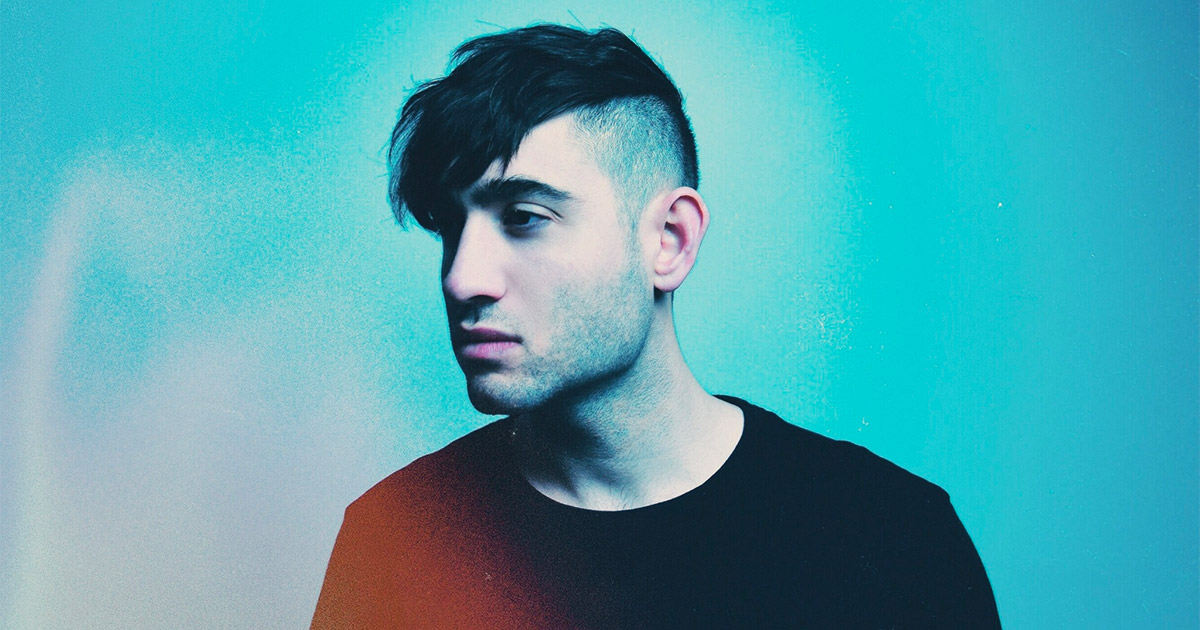
The digital landscape is being reshaped by non-fungible tokens (NFTs), a revolutionary class of unique digital assets that cannot be duplicated. As CryptoSlate has extensively reported, this burgeoning market has captured the global imagination, with some Ethereum-based NFTs commanding staggering price tags as savvy collectors and crypto enthusiasts rush to acquire these novel items.
Fueling this digital renaissance is a visionary cohort of artists pioneering the integration of their creative work with tokenization, primarily on the Ethereum blockchain.
Justin Blau is at the forefront of this movement, a prominent figure who has passionately embraced the world of NFTs and the disruptive potential of decentralized finance (DeFi) that took the crypto industry by storm last summer. Blau is a world-renowned DJ and music producer, best known by his stage name, 3LAU. You likely recognize him for hit tracks like “Contact” and “How You Love Me.”
He made a significant splash in the NFT arena earlier this year by collaborating with visual artist SlimeSunday on a collection of audio-visual NFTs.
The flagship piece of the collection, “21,” was sold at auction for an impressive $21,000. The collection continues to captivate both the Ethereum community and NFT investors, with remaining pieces fetching substantial sums on the secondary market.
I had the distinct privilege of speaking with Justin about his deep involvement in NFTs, his perspective on DeFi, and his broader vision for the future of cryptocurrency. Here’s what he shared, offering key insights for anyone interested in the intersection of crypto, art, and music.
What initially drew you to the world of cryptocurrency, and Ethereum in particular? Was it the promise of a decentralized ledger for authenticating art, or were there other factors at play?
I've always been fascinated by the concept of decentralized applications, probably since around 2017. While a congested ETH network reveals its inherent vulnerabilities and limitations, the rise of Layer 2 and 3 solutions, along with ETH sidechains, all point toward a more efficient future. This makes the prospect of running self-sustaining platforms on Ethereum increasingly viable. I'm also excited about competing protocols like Near and Solana—time will tell which prevails. One project I'm particularly bullish on is Audius! On the art front, the technology is incredible—using ERC-721s to issue immutable certificates of digital authenticity is the future of all art forms, not just digital ones!
Why is it so critical for influential musicians like yourself to engage with the crypto space?
I believe the crypto-ticketing and streaming technology space offers a unique opportunity for artists to monetize their work directly, bypassing the rent-seeking intermediaries who have dominated the music industry for over half a century. Every artist should familiarize themselves with what's happening here. This new technology empowers us to reclaim a significant portion of the equity that traditionally flows elsewhere in the legacy music ecosystem.
You are arguably one of the most successful NFT creators to date, breaking records with your digital drops. What is your response to those who dismiss this space as a speculative bubble?
Traditional art has maintained its value throughout history. Digital art, while more recent, demands just as much time and creative effort as its traditional counterpart, and it may eventually carry even greater emotional resonance thanks to the flexibility of modern digital tools. I believe this space is here to stay because buyers and collectors genuinely appreciate the time and talent artists dedicate to their digital creations. The concept of scarcity will take time for the mainstream to fully grasp, but many pieces being minted today could easily become 100x more valuable in the future as foundational examples of digital art!
Building on that, what do you believe makes a great NFT?
This is just as subjective as in the traditional art world; however, it’s usually easy to identify the artists who push their craft and visual boundaries. Artists like Trevor Jones, Pak, and Fewocious are all doing incredible work in wildly diverse styles—I truly believe collectors recognize that value.
What’s next for you in terms of expanding your role in the crypto-art space?
We’re very excited about fractionalized NFTs and fully tokenized music videos and songs! There’s a lot more work ahead, but my collaborator (SlimeSunday) and I are deeply committed to making amazing things happen in the future.
Apart from NFT and crypto-art projects like BlockParty and Audius, what else in the crypto space captures your attention? Are you involved in yield farming like fellow artist RAC?
Yes! RAC and I are good friends and share a lot of insights on what’s happening in the ever-evolving web3 music scene. I have mostly participated in stablecoin yield farming versus other ventures with high risk of impermanent loss. RAC is on the cutting edge of this incredible new technology, and he’s truly paving the way for artists like me who want to explore how DLT can be integrated into our careers!
