
Updated on:12/12/2025 05:20 PM 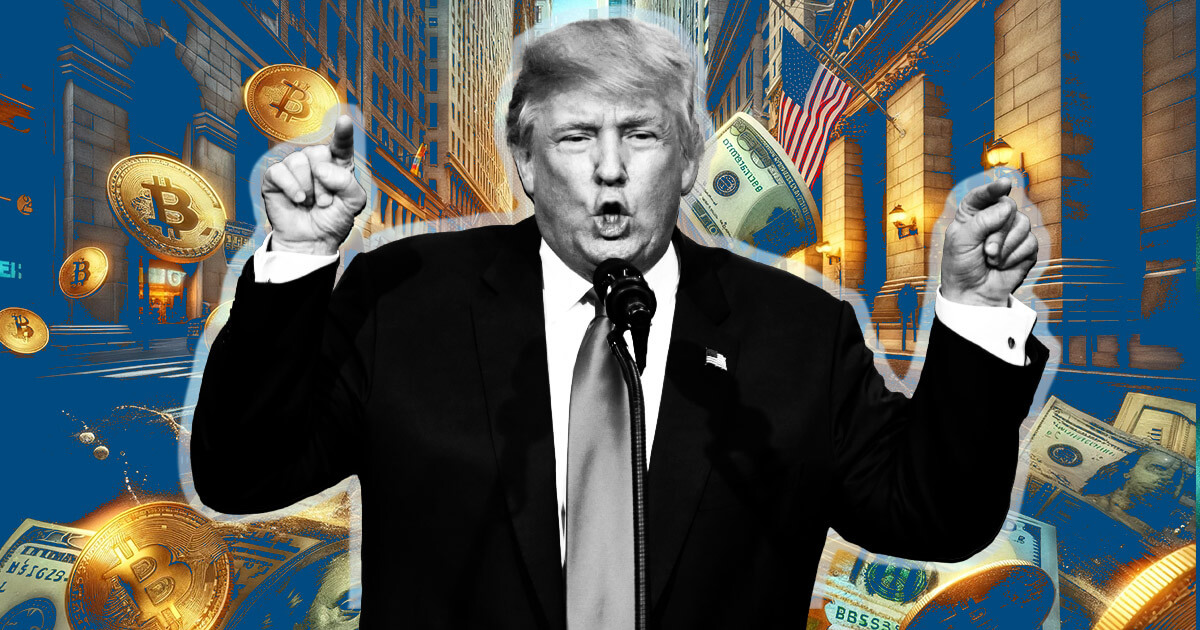
In a surprising shift from previous positions, former United States President Donald Trump has acknowledged Bitcoin as a legitimate financial instrument, marking a notable evolution in his perspective on digital currencies. During a recent appearance on CNBC's "Squawk Box" on March 11, Trump characterized cryptocurrency as an "additional form of currency" that has "taken on a life" of its own, explicitly stating his lack of intention to hinder individuals from utilizing such digital assets.
This declaration emerges against a backdrop of intensifying mainstream adoption of cryptocurrencies, with Bitcoin once again entering price discovery territory following the establishment of unprecedented record highs. Trump's remarks signal a pragmatic approach to the burgeoning digital economy, even as he continues to champion the traditional financial system.
The former president's comments reflect a nuanced understanding of the cryptocurrency landscape, acknowledging how digital assets have evolved from speculative ventures into established payment mechanisms. Trump shared a personal anecdote involving the use of cryptocurrency for purchasing limited-edition sneakers from his branded merchandise line, demonstrating real-world utility beyond theoretical applications.
When addressing the regulatory framework surrounding digital currencies, Trump advocated for a measured approach that fosters innovation while maintaining system stability. His position suggests a willingness to permit the continued growth of cryptocurrencies, provided such expansion does not compromise the integrity of conventional financial structures.
Despite this newfound openness to digital assets, Trump emphasized his commitment to preserving the hegemony of the United States dollar as the cornerstone of the global economic order. He expressed particular concern regarding nations seeking alternatives to the dollar, characterizing such potential shifts as detrimental to national interests on par with losing a "war."
Trump's perspective underscores the critical balance between embracing technological innovation in finance and safeguarding established monetary systems. His comments arrive at a pivotal moment as digital currencies gain increasing prominence in both consumer transactions and geopolitical economic strategies.
The former president's stance may have significant implications for the upcoming 2024 presidential election, particularly as crypto-related issues become more prominent in political discourse. Market observers will be closely monitoring how Trump's position on digital currency continues to evolve and what potential regulatory approaches might emerge from his camp.
