
Updated on:12/16/2025 04:33 PM 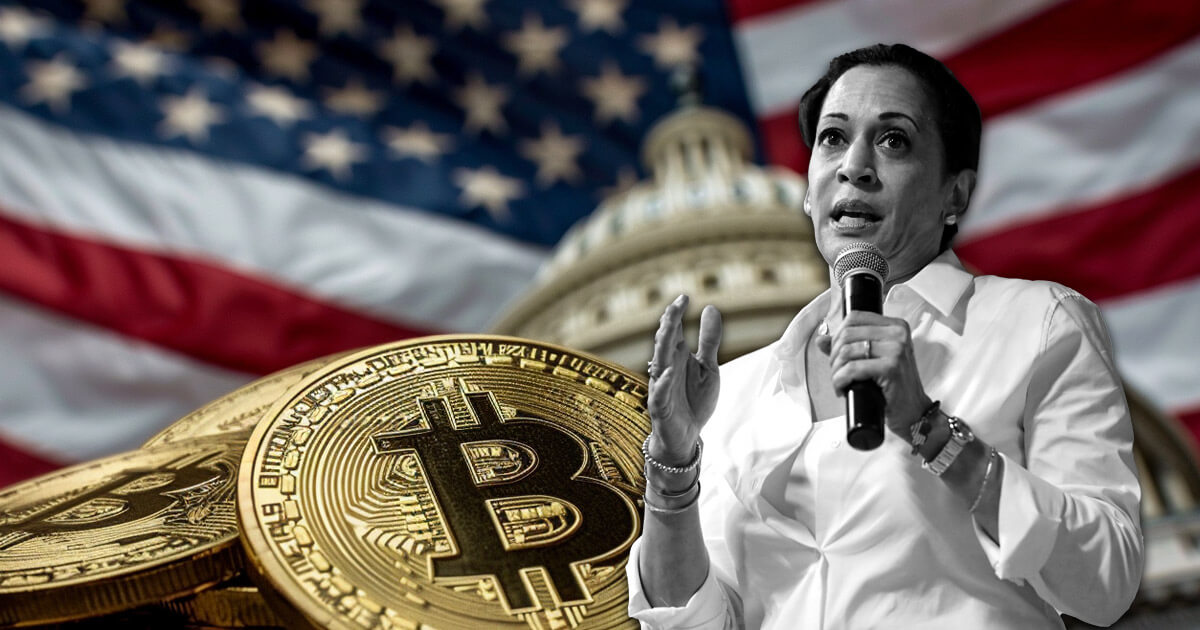
As the 2024 presidential election approaches, Vice President Kamala Harris confronts mounting demands to articulate a comprehensive approach to digital currencies, with analysts warning that failure to engage with the crypto sector could result in losing vital industry support to former President Donald Trump.
A recent analysis from the Official Monetary and Financial Institutions Forum (OMFIF) underscores the urgency for Harris to develop meaningful dialogue with cryptocurrency stakeholders, highlighting the risk of significant political advantage shifting toward Republican positions on digital asset regulation.
This call to action arrives amid growing expectations that Harris will distance herself from the current administration's measured, frequently antagonistic approach toward blockchain technology and virtual currencies. Recent developments suggest Harris has intensified outreach to crypto industry representatives in recent weeks.
According to Fox News correspondent Eleanor Terret, Congressman Ro Khanna will facilitate a crucial summit on August 5, convening influential figures from the cryptocurrency space, Democratic policymakers, and Harris campaign staff to explore establishing a new foundation for cooperation between the party and digital innovators.
Critics question whether these outreach initiatives can sufficiently influence voter sentiment, while some Democratic voices contend that tangible policy reforms—not merely rhetorical shifts—are necessary to transform perceptions within the crypto community.
The Republican party, significantly shaped by Trump's leadership, has deliberately cultivated relationships with cryptocurrency enterprises and embraced an explicitly favorable position toward digital currencies. Trump's commitments to regulatory environments conducive to crypto—including potential removal of SEC Chair Gary Gensler and establishment of a national Bitcoin reserve—have generated enthusiasm among blockchain proponents.
Through strategic acceptance of cryptocurrency contributions and public championing of digital asset interests, Trump has established himself as a prominent advocate for the industry, appealing to crypto advocates who feel marginalized by existing governmental approaches. Concurrently, Republican legislators are advancing proposals for government integration of Bitcoin and protections for individual crypto ownership rights.
The Democratic party has encountered challenges in building rapport with cryptocurrency stakeholders. The United States has progressed more slowly than other jurisdictions, including the European Union and Singapore, in establishing transparent regulatory parameters for blockchain businesses.
Legislative initiatives such as the Financial Innovation and Technology for the 21st Century Act (FIT21) have encountered resistance from influential Democrats, notably Senator Elizabeth Warren. Additionally, the SEC's enforcement activities—particularly its controversial legal actions—have contributed to regulatory ambiguity, while President Joe Biden's rejection of legislation intended to modify SEC guidelines that restrict banks' involvement with digital assets further reinforced the administration's restrictive posture toward virtual currencies.
According to the OMFIF assessment, Harris possesses the opportunity to redefine the political discourse surrounding cryptocurrency by endorsing pending legislative measures and advocating for unambiguous regulatory guidelines. The policy research organization recommends that Harris demonstrate commitment to the FIT21 legislation and Stablecoins Act during the upcoming Democratic National Convention as a potential signal of substantial policy evolution.
The analysis further proposes that Harris could cultivate financial backing and grassroots support from blockchain entrepreneurs by adopting a more accommodative posture toward digital currency enterprises. The OMFIF suggests that such strategic positioning could potentially mobilize voter engagement in pivotal electoral states.
The OMFIF analysis emphasizes the expanding political significance of the cryptocurrency industry, noting that constructive engagement with digital asset policy presents an opportunity to attract emerging voter constituencies while acknowledging the economic possibilities presented by blockchain technology. The report asserts that appropriate regulatory frameworks, carefully balancing risk mitigation with innovation promotion, remain essential for American economic competitiveness and should ideally transcend traditional political divisions.
