
Updated on:12/19/2025 04:46 PM 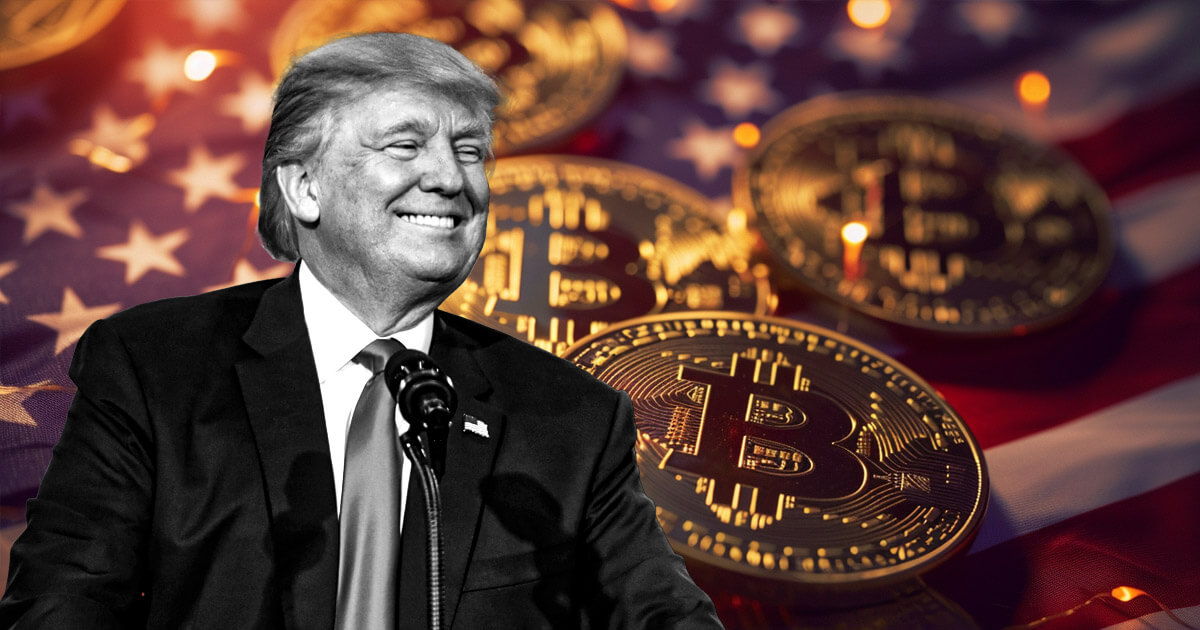
The cryptocurrency landscape is experiencing significant political momentum as former President Donald Trump commemorates the 16th anniversary of Bitcoin's foundational whitepaper with a bold commitment to transforming America's digital asset policies. In a strategic move ahead of the pivotal November 5 election, Trump has vowed to terminate what he terms the "government's war on cryptocurrency," positioning himself as the champion for blockchain innovation and financial freedom.
Through a series of social media posts targeting both crypto enthusiasts and political opponents, Trump has articulated a comprehensive vision for America's digital economy. His statements not only challenge current regulatory approaches but also signal a dramatic shift in cryptocurrency governance that could reshape the entire industry.
Trump emphasized Bitcoin's revolutionary potential as a decentralized financial system, stating:
The digital currency, originally conceived in 2008 as a response to traditional financial system failures, has evolved from an academic concept into a global financial powerhouse valued at over $70,000. Sixteen years after Satoshi Nakamoto's pioneering whitepaper, Bitcoin has transcended its status as mere digital currency to become a symbol of economic sovereignty and technological advancement.
Trump's recent endorsement of Bitcoin and acknowledgment of its mysterious creator further solidifies his position as the favored candidate among cryptocurrency advocates nationwide. The former commander-in-chief has strategically positioned himself as Bitcoin's most prominent political ally, promising to halt government Bitcoin acquisitions and replace SEC Chair Gary Gensler, whose administration has pursued aggressive enforcement actions against crypto enterprises.
Conversely, Vice President Kamala Harris has proposed a measured approach that balances technological innovation with investor protection in the digital asset sphere. Her supporters argue that her policies create necessary safeguards for participants in this rapidly evolving market, while Trump's constituents view his cryptocurrency-friendly stance as essential for maintaining America's technological competitiveness.
Industry analysts widely suggest that a Trump victory accompanied by Republican control of Congress could generate unprecedented positive momentum for Bitcoin. Financial experts project such a political realignment might trigger swift regulatory reforms favorable to digital assets, creating an environment conducive to cryptocurrency growth and adoption.
Market predictions indicate potential immediate post-election surges, with Bitcoin possibly increasing by up to 10% to approximately $80,000 following a Trump win. More significantly, if Republicans secure both executive and legislative branches, Bitcoin could potentially reach $125,000 by year's end, reflecting market confidence in pro-crypto governance.
These projections underscore market expectations that a Republican administration would implement policies fostering crypto industry development, creating substantial favorable conditions for Bitcoin's appreciation and broader cryptocurrency market expansion.
As Election Day approaches, the cryptocurrency community stands at a critical juncture, with many blockchain enthusiasts believing that Bitcoin's decentralized architecture and universal appeal will ensure its continued relevance regardless of political outcomes.
